In the 21st century, child development goes far beyond traditional learning anchored in school curricula. Increasingly, educators, researchers, and child development specialists are highlighting the importance of artistic activities as a fundamental part of the education of new generations.
Visual arts, music, dance, and theater stimulate skills that are essential in the contemporary world, such as creativity, critical thinking, collaboration, and emotional expression. In a time marked by rapid technological and social transformations, these skills become increasingly necessary for the full development of children.
The role of art in child development
Artistic activities have a profound impact on children's cognitive and emotional development. When a child draws, dances, sings, or participates in cultural activities, they are exploring different forms of language and expression.
Furthermore, these experiences stimulate areas of the brain related to creativity, memory, and problem-solving skills. Studies in education and neuroscience indicate that children who regularly participate in artistic activities tend to develop greater concentration and learning abilities.
At the same time, art allows children to express feelings, experiment with ideas, and discover new ways of interpreting the world around them.
Art and creativity in an increasingly technological world
We live in an era marked by accelerated technological advancements. Artificial intelligence, automation, and new forms of work are transforming society. In this context, creative skills are becoming increasingly valued.
Creativity, often stimulated by the arts, is one of the most difficult skills to automate. Therefore, educators and specialists argue that artistic experiences should be part of children's education from an early age.
Music, dance, and visual arts help children develop original thinking, imagination, and the ability to innovate. These skills are essential for dealing with complexities and building creative solutions in the future.
Emotional and social benefits of artistic activities
Another important aspect of artistic activities is their impact on children's emotional and social development.
By participating in group activities, such as music, dance, or theater groups, children practice interacting with others, respecting differences, and working as a team. These experiences strengthen fundamental social skills.
Furthermore, art can function as a healthy form of emotional expression. Many children find in music, dance, or drawing ways to communicate and process feelings that they are not yet able to express in words.
This process contributes to strengthening their self-esteem and confidence.
Art, education and school development
Although art is often seen as merely a supplementary activity, several studies show that it can directly contribute to academic performance.
Children who participate in artistic activities tend to develop better attention span, discipline, and organizational skills. These abilities are also important for learning in curricular components such as mathematics, reading, and science.
Furthermore, art can make the school environment more stimulating and meaningful, sparking children's interest in the learning process.
When art becomes a real opportunity
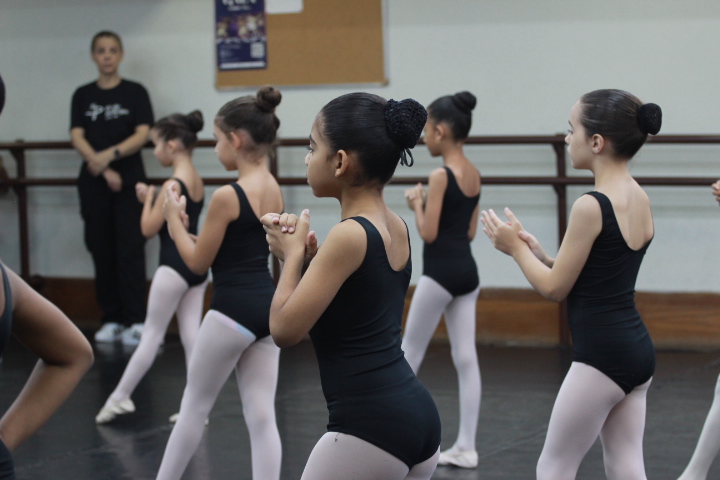
In many Brazilian cities, children and teenagers have limited access to quality artistic activities. This lack of opportunities can restrict their creative and emotional development.
Therefore, social projects that offer free access to art and culture play a fundamental role in the education of new generations.
👉 Discover the Pé de Moleque project, an initiative of ECA – Espaço de Cultura e Arte (Culture and Art Space) that offers free classical ballet classes for children and teenagers, promoting access to culture, discipline, body expression, and artistic development.
Projects like this broaden horizons and allow children to discover new talents and possibilities for the future.
Music and choral singing in children's development
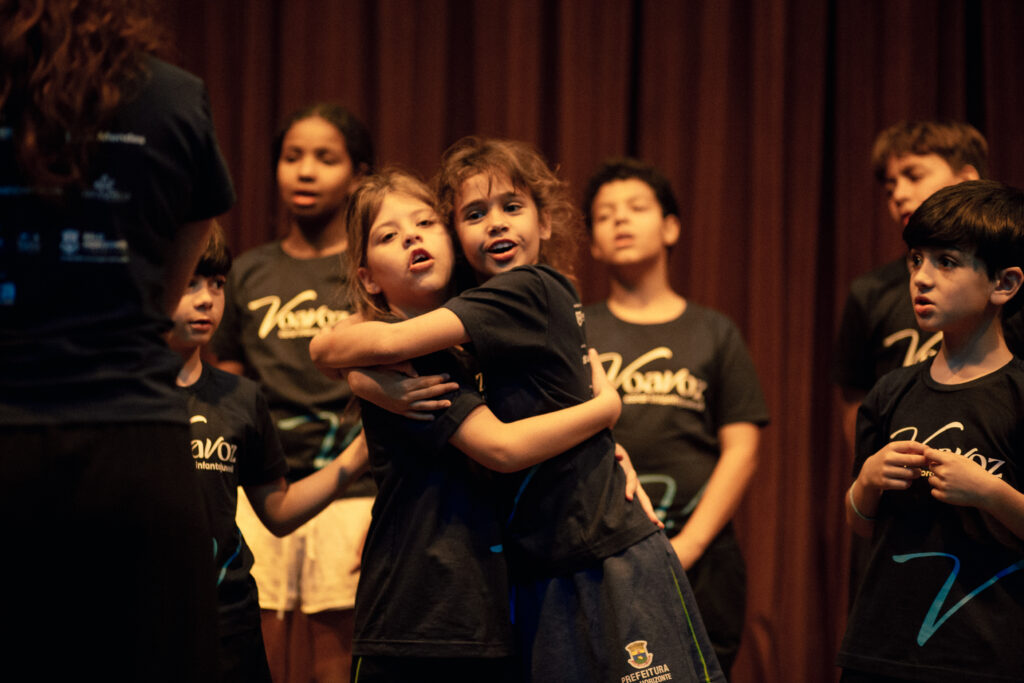
Music is one of the most complete and recommended artistic activities for child development. Singing in groups, learning about rhythm, and working on musical listening skills contribute to enhancing cognitive, emotional, and social abilities.
Choral singing experiences, for example, help children develop musical perception, coordination, memory, and teamwork.
👉 Discover VoaVoz, an ECA project that offers choral singing training for children and teenagers, using music as a tool for artistic and social development.
Initiatives like this prove how art can transform lives and strengthen communities.
Art as a tool for social transformation
In addition to contributing to the individual development of children, art can also generate a positive impact on entire communities.
Cultural and educational projects often serve as spaces for meeting, learning, and socializing. In these initiatives, children and adolescents experience safe environments to explore talents, develop skills, and build relationships.
In this context, art becomes a powerful tool for social transformation. It broadens cultural repertoires, stimulates creativity, and strengthens the identity of communities.
Conclusion
Artistic activities play an essential role in the development of children in the 21st century. Far beyond mere entertainment, they contribute decisively to their cognitive, emotional, and social growth, stimulating skills that will be fundamental throughout their lives.
In an increasingly complex and technological world, creativity, sensitivity, and the ability to express oneself are considered valuable skills. By ensuring access to art from childhood, society contributes to shaping individuals who are more critical, creative, and prepared for the challenges of the future.
Cultural and educational projects that broaden access to art demonstrate that investing in culture is also investing in human development and opportunities for new generations.
Frequently asked questions about art activities for children
Why are artistic activities important for children?
Artistic activities stimulate creativity, emotional expression, critical thinking, and social skills that are fundamental for child development.
What artistic activities are suitable for children?
Among the most recommended activities are music, dance, theater, drawing, painting, and other forms of artistic expression.
Does art help with school performance?
Yes. Several studies show that artistic activities can improve concentration, discipline, and cognitive skills related to learning.
At what age can children begin artistic activities?
Children can begin to engage with artistic activities from their earliest years, always respecting their age group and individual development.
Can art help with emotional development?
Yes. Art allows children to express feelings, develop self-esteem, and learn to cope better with emotions.