For a long time, art was seen primarily as entertainment or cultural expression. Today, science shows that it is also a powerful ally for mental health.
Listening to music, dancing, painting, singing, acting, or simply visiting a museum are experiences capable of stimulating different areas of the brain, reducing stress, strengthening memory, and improving quality of life.
It is no coincidence that hospitals, schools, universities, and healthcare institutions around the world have incorporated artistic activities as part of programs focused on well-being and human development.
But why is art so good for the brain?
Science confirms: art influences brain function
In recent decades, neuroscience has begun to investigate the effects of artistic activities on the human brain. The results show that art simultaneously activates different brain regions related to memory, attention, language, emotions, and creativity.
When playing a musical instrument, for example, the brain coordinates auditory perception, movement, concentration, and memory simultaneously.
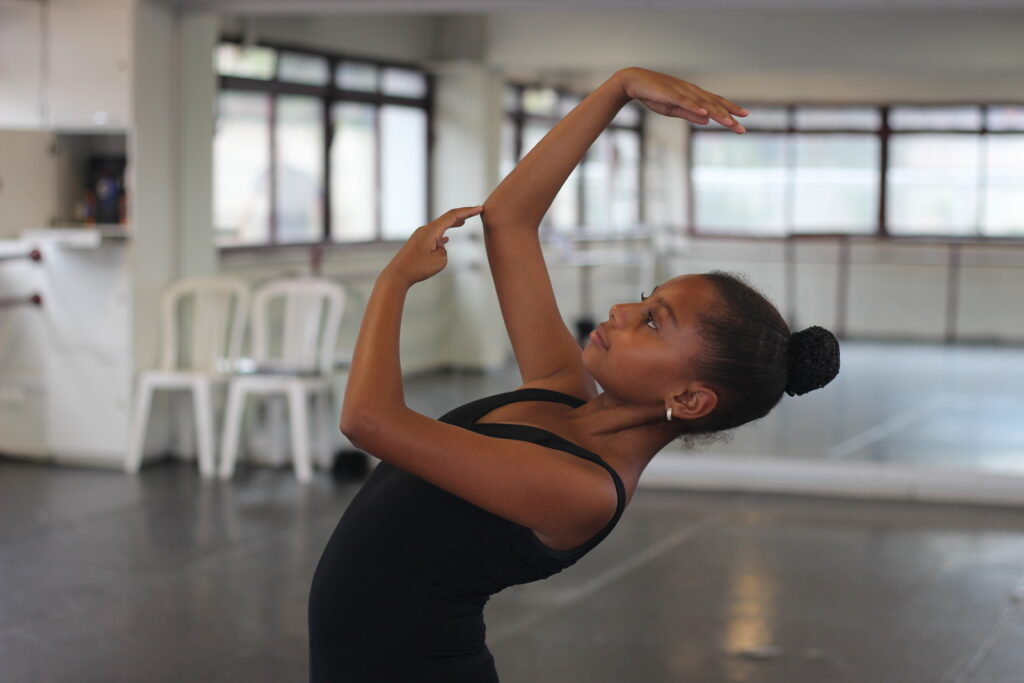
In dance, the body works on balance, motor coordination, rhythm, and body awareness, while the brain strengthens neural connections important for learning. This integration makes artistic experiences especially rich for cognitive development.
Art reduces stress and anxiety
Another widely studied benefit is stress reduction. When we participate in enjoyable artistic activities, the body tends to decrease the production of cortisol, known as the stress hormone.
At the same time, there is an increased release of neurotransmitters associated with pleasure and well-being, such as dopamine and serotonin. Therefore, listening to music, drawing, singing, or painting can generate a feeling of relaxation and emotional balance. It's not just about distraction; there are measurable physiological changes in the body.
Music and the brain: a special relationship
Few activities engage as many brain areas as music; it stimulates memory, language, attention, motor coordination, and emotional processing. Studies show that musical learning in childhood is associated with the development of skills such as discipline, concentration, and problem-solving. In adults and the elderly, music has also been used to stimulate memory, communication, and quality of life, especially in people with neurodegenerative diseases.
Dancing promotes physical and emotional health
Dancing offers physical, cognitive, and emotional benefits. In addition to improving balance, strength, and coordination, it fosters self-esteem, body expression, and socialization.
With children and teenagers, the practice of dance contributes to:
• Motor development;
• Discipline;
• Creativity;
• Teamwork;
• Self-confidence.
Among adults and the elderly, dance helps combat sedentary lifestyles, strengthen social bonds, and preserve cognitive functions.
Theatre and emotional expression
Theater also plays an important role in mental health. By interpreting characters, participants develop empathy, communication, imagination, and emotional intelligence. This experience promotes:
• Expression of feelings;
• Development of self-esteem;
• Conflict resolution;
• Strengthening of social skills.
Therefore, theatrical activities are used in different educational and therapeutic contexts.
Visual arts stimulate creativity and attention
Drawing, painting, sculpture, and photography also offer important benefits. These activities promote:
• concentration;
• visual perception;
• fine motor coordination;
• creativity;
• relaxation.
Furthermore, many people use visual arts as a way to express emotions that would be difficult to put into words.
Art throughout life
At any age, contact with cultural activities strengthens overall health. But the benefits of culture are not limited to a specific phase of life.
In childhood: art stimulates cognitive, emotional, and social development.
In adolescence: it fosters identity, creativity, and personal expression.
In adulthood: it helps reduce stress and broaden cultural horizons.
In old age: it contributes to memory, socialization, self-esteem and quality of life.
Culture is also prevention
In recent years, international organizations such as the World Health Organization (WHO) have highlighted the role of the arts in promoting health and well-being.
Although art cannot replace medical treatment when necessary, it can act as an important complement in preventing emotional suffering, promoting quality of life, and building social bonds.
In other words, investing in culture is also investing in health.
Creativity remains essential
We live in an era marked by technology, artificial intelligence, and information overload. In this scenario, creativity becomes one of the most important human skills. Artistic practice stimulates precisely those abilities that can hardly be replaced by machines:
• Imagination;
• Critical thinking;
• Sensitivity;
• Creative problem-solving;
• Collaboration.
More than just training artists, culture helps to shape people who are prepared for a constantly changing world.
Culture transforms people and communities
When access to art is expanded, the benefits extend beyond the individual. Cultural projects strengthen communities, create spaces for interaction, broaden opportunities for children and young people, and promote social inclusion. Therefore, investing in culture means investing in human development, mental health, and quality of life.
Discover initiatives that transform lives through art
At ECA – Espaço de Cultura e Arte (Cultural and Art Space), we believe that culture is a tool for social transformation.
Projects like Pé de Moleque – Children's and Youth Ballet and VoaVoz – Children's and Youth Choir demonstrate, in practice, how music, dance, and other artistic expressions can strengthen self-esteem, discipline, creativity, and community bonds, especially among children and adolescents.
Learn about ECA's projects and discover how art can transform lives.
Conclusion
Science has increasingly demonstrated what artists, educators, and communities have long recognized: art is good for the brain. It reduces stress, strengthens neural connections, stimulates creativity, promotes cognitive development, and enhances well-being at all stages of life.
More than just entertainment, culture is a tool for human development. And ensuring access to art means promoting a healthier, more creative, and connected society.
Frequently Asked Questions
Does art really improve mental health?
Yes. Several scientific studies show that artistic activities help reduce stress, stimulate positive emotions, and promote well-being.
Which artistic activity is best for the brain?
There is no single answer. Music, dance, theater, painting, and other cultural expressions offer different and complementary benefits.
Do children learn better through artistic activities?
Yes. Art fosters creativity, concentration, motor coordination, language, and socio-emotional development.
Does music help the brain?
Yes. Music stimulates various areas of the brain related to memory, attention, language, and emotions.
Can culture be considered an investment in health?
Increasingly, research shows that access to culture contributes to the promotion of mental health, quality of life, and human development.
Leave a comment